With all my scientific expertise, I’ll share one deeply profound statement: Space is quite large. Annoyingly large, in fact.
I decided this year to write a science fiction novel, and I very much wanted to lean toward “hard science.” However, it quickly became a space opera. One major reason was the true issue of space logistics. In most stories, the villain is an alien or an evil empire. In reality, the villain is the math.
The “Squishy Human” Problem
The most obvious issue with space being big is the time it takes to get places. An early decision I made was that I didn’t want to push the “space magic” to include Faster Than Light (FTL) travel.
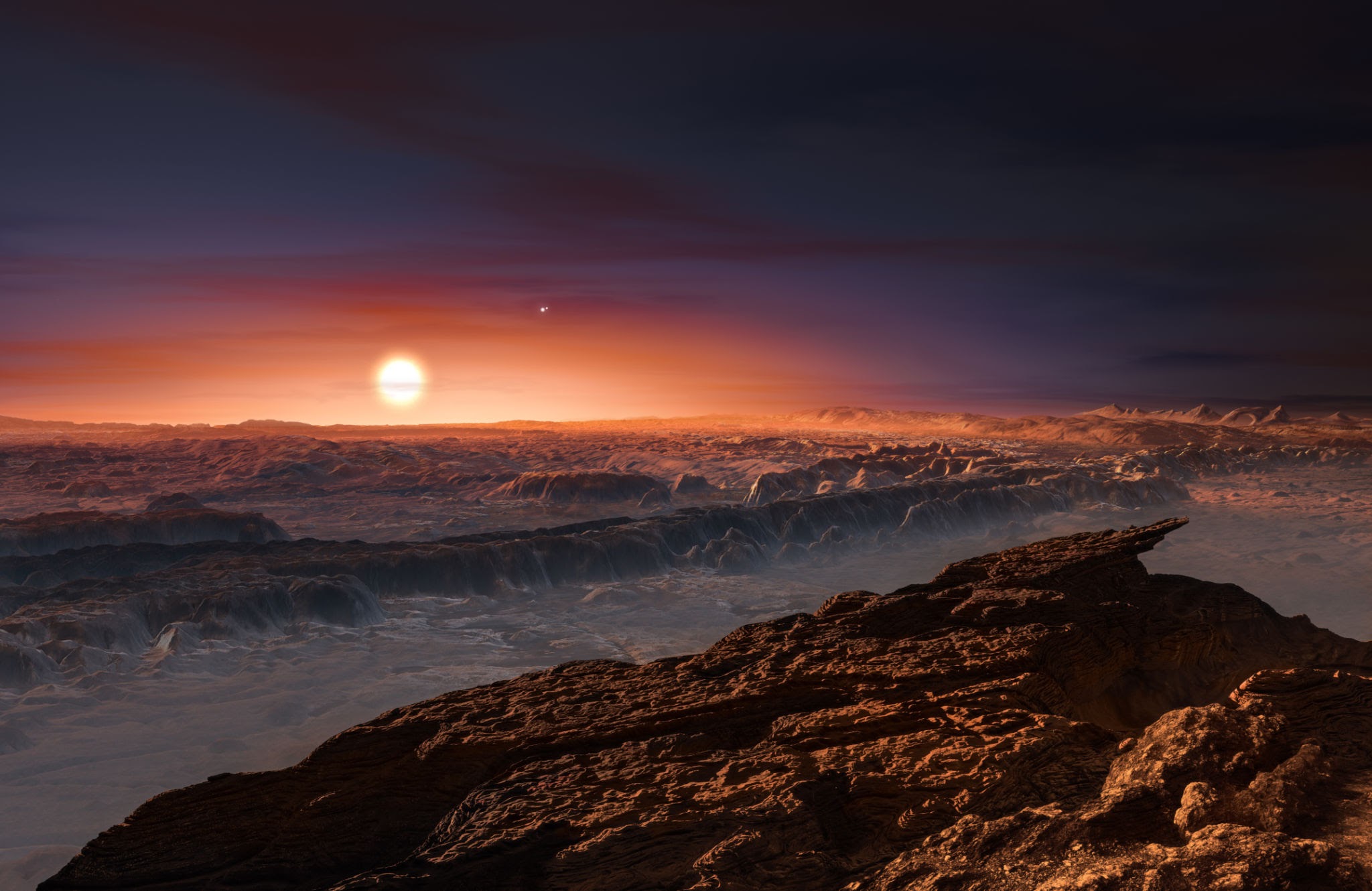
But even with near-lightspeed travel, it takes an abnormally long time to get anywhere. The closest exoplanet we have found is Proxima Centauri b, a mere ~4.24 light-years away. Even in a crazy future where we travel at 99% light speed, that’s a four-year trip. But you can’t just hit “Go.”
Humans are squishy.

The record for surviving high G-force is about 214 G, set by Kenny Bräck in a 2003 IndyCar crash. He survived, but he didn’t exactly walk away. If you accelerated a spaceship at that speed, the crew would be soup.
To keep the crew alive, we are limited to a comfortable 1G acceleration (Earth gravity). This creates a flight profile that looks less like a zoom and more like a hill. You accelerate halfway, flip the ship, and brake for the second half.
This creates a flight profile that looks less like a zoom and more like a hill. You accelerate halfway, flip the ship, and brake for the second half.

The Relativity Trap
This is where the space logistics get weird. Due to relativity, that trip to our nearest neighbor takes about 6 years for the people watching from Earth. But for the crew on the ship, due to time dilation, it only feels like 3.5 years.
This creates a “Time Debt.”
If you go to Proxima, stay for a week, and come back, you have aged 7 years. But your wife and kids back on Earth? They have aged 12 years. You’ve now time-traveled, well done!, although your wife may not be as pleased.
This creates a nightmare for character relationships if they are not all together in one place. Ender’s Game handles this beautifully, using relativity to keep characters young while history moves on without them.
The Supply Chain Nightmare
This 7-year round trip creates massive challenges outside of the math as well. Dealing with space logistics means you are essentially packing a city into a tin can.
- Supplies (The Physical): The ship needs food, water, and air for 7 years. There are no service stations. Unless you send automated supply drones years in advance to match your speed (which is its own physics headache), you are on your own.
- Redundancies (The Mechanical): In Star Wars, if a part breaks, they land on Tatooine to buy a new one. In hard sci-fi, if your water recycler breaks halfway to Proxima, you die. You don’t just need a spare part; you need a spare for the spare. You need a machine shop to make the spare.
- Sanity (The Psychological): This part has been tackled in many books and shows. Imagine 3.5 years in a box with the same five people. The psychological “supplies” are harder to pack than the food. You are managing boredom, rage, and isolation. One game of Monopoly too many and hey—you have a sci-fi horror.

The Tyranny of Fuel
Finally, we have the most brutal rule of space logistics: The Rocket Equation. To move a ship, you need fuel. But fuel has weight. So, you need more fuel to move the fuel you just added.
In a “hard sci-fi” setting, a ship leaving Earth for a long-haul journey would be 90% fuel tank and 10% ship. It limits your ability to have cool dogfights or sudden detours. Every maneuver costs reaction mass that you cannot replace.
Why I Chose Space Opera
Dealing with space logistics and “hard science” in a satisfying way without using “Warp Drive” is an incredible writing challenge. It forces the drama to change. The tension isn’t about “Will the aliens shoot us?” It’s about “Will the hydroponics lab fail?” or “Will the captain go crazy from isolation?”
I personally love how The Expanse handles this within the solar system. But beyond that? Interstellar travel without space magic is an endurance test.
And that is why my book became a Space Opera. Because sometimes, you just want a bit of space magic.
Leave a Reply